Live Music Ideas for a Hacienda Wedding
Ceremony & Cocktail Hour
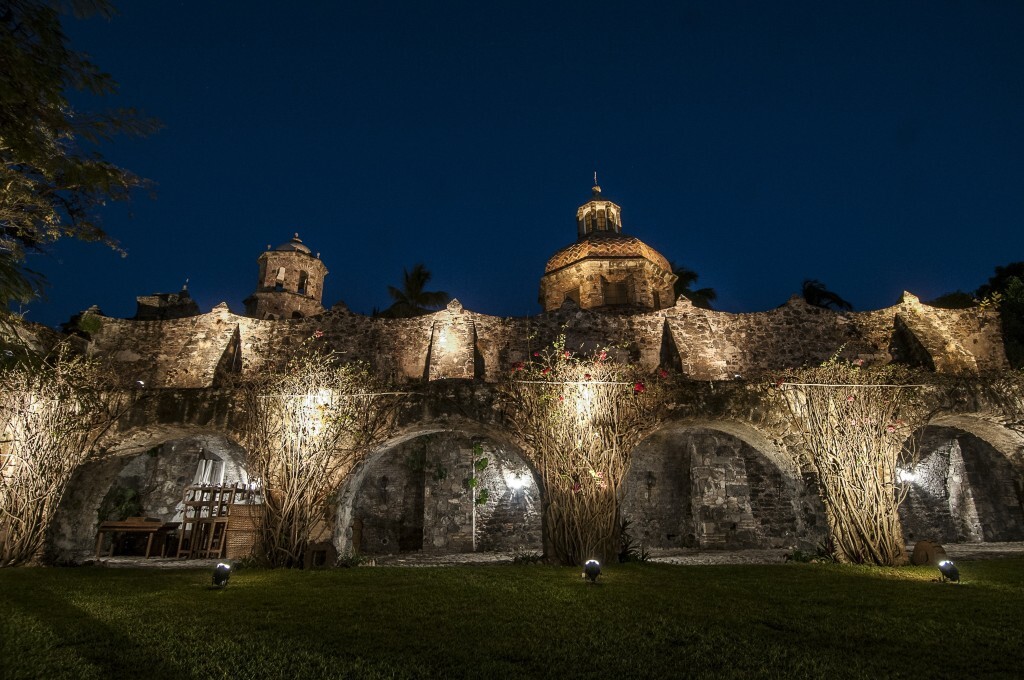
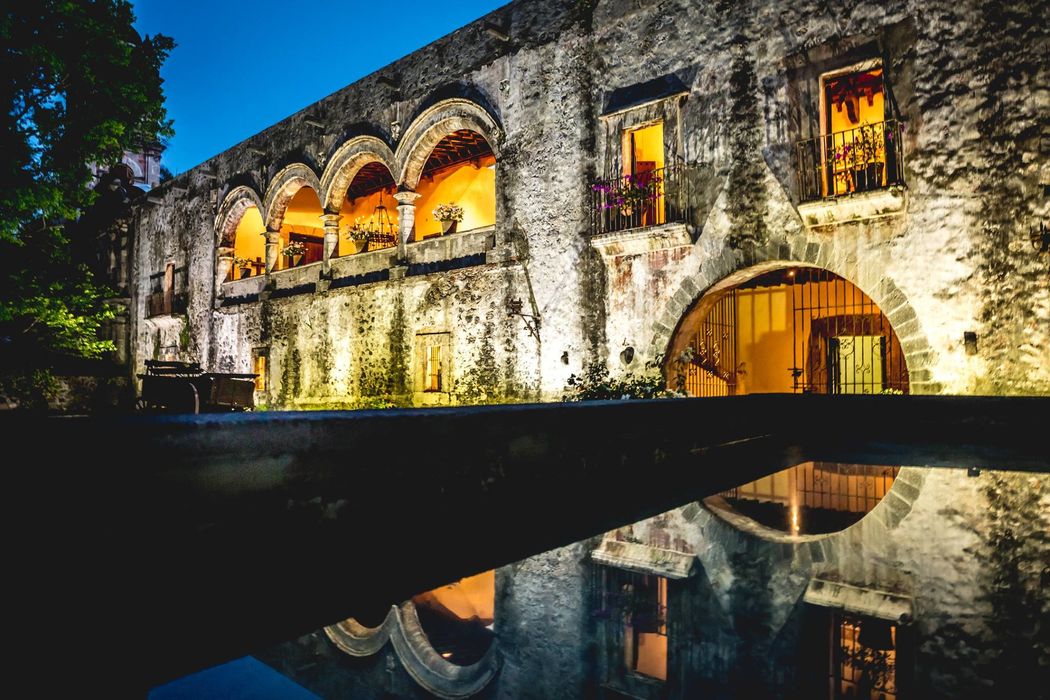
The architecture creates the setting. Music gives each part of the wedding its emotional rhythm.
Use live music to shape the day
Hacienda weddings often move through several distinct environments: chapel, garden, courtyard, dinner and party. Music can help each transition feel intentional rather than simply functional.
The best approach is not to fill every minute with sound. Instead, choose the moments where live music adds emotion, elegance or energy — and let the architecture do the rest.
Begin before the ceremony starts
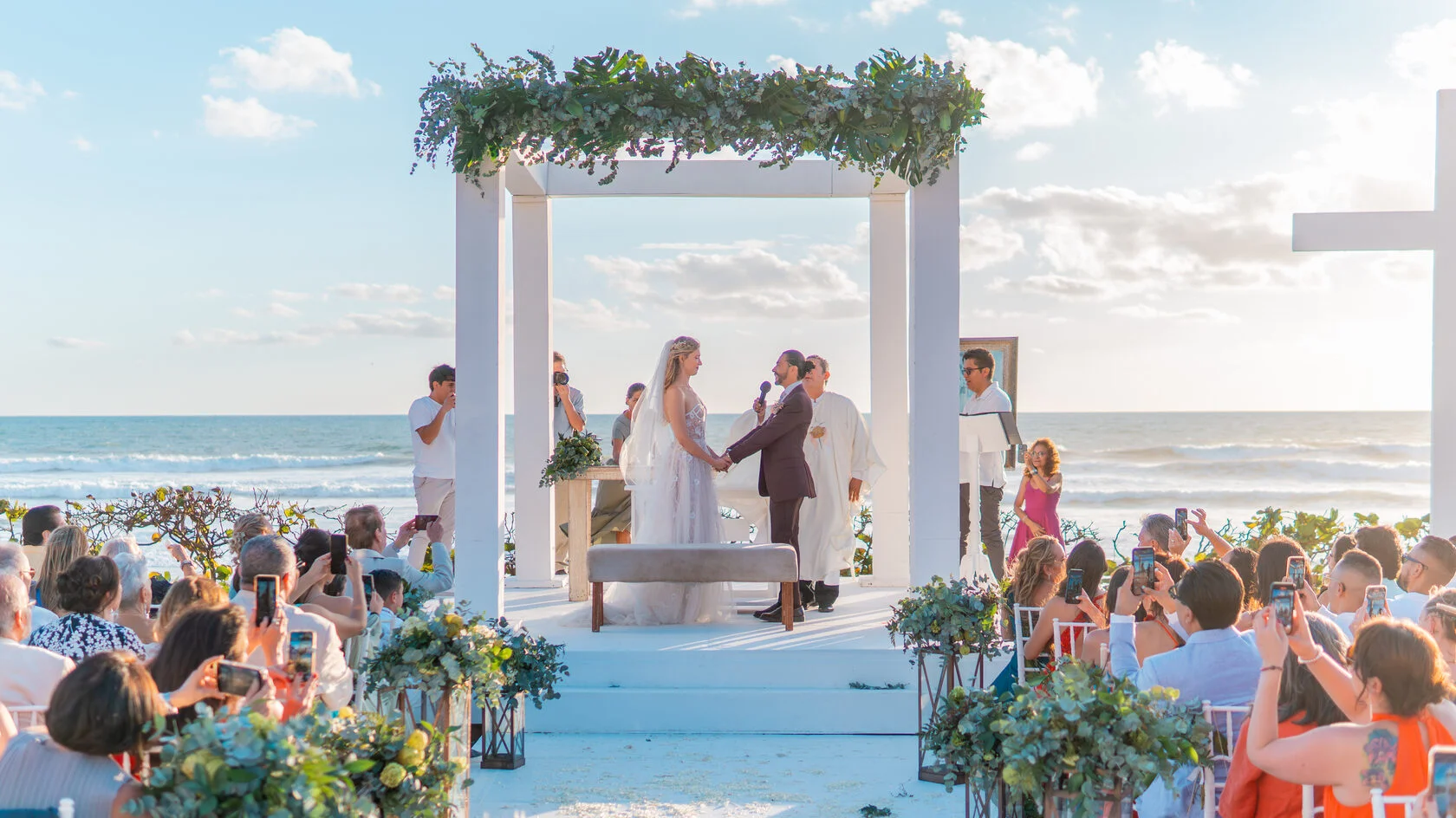
Prelude music is the first emotional cue guests receive. Fifteen to thirty minutes of live violin while guests arrive can soften the atmosphere and make a chapel or garden feel immediately ceremonial.
The repertoire can stay classical, cinematic or contemporary depending on the style of the couple.
- Classical pieces for a formal chapel
- Romantic film music for an elegant but relaxed mood
- Instrumental pop for a contemporary destination wedding
Give each ceremony moment its own identity
Instead of choosing one style for the entire ceremony, think in moments: processional, entrance, symbolic or religious moments, signing and recessional.
A traditional entrance can be followed by something more personal for the couple. The recessional is often the best place to introduce a brighter, celebratory song.
Match the ensemble to the architecture
Solo violin works especially well when the space already has visual and acoustic character. A violin-and-piano duo creates a fuller, more cinematic sound for larger ceremonies or couples who want richer harmony.
For outdoor gardens, professional amplification may be important even when the audience is not especially large. Wind, guest distance and open space can reduce the natural projection of acoustic instruments.
| Format | Best for | Atmosphere |
|---|---|---|
| Solo violin | Chapels, intimate ceremonies, elegant entrances | Refined, emotional and visually minimal |
| Violin + piano | Larger ceremonies, cinematic repertoire, formal settings | Rich, romantic and expressive |
| Violin + sax | Cocktail hour and contemporary receptions | Modern, social and energetic |
| Violin + DJ | Transition into the party or a late-night happening | High energy and interactive |
Let cocktail hour feel different
Cocktail hour should usually feel lighter than the ceremony. This is where jazz standards, bossa nova, Latin repertoire and sophisticated pop can work beautifully.
At a hacienda, guests are often exploring the architecture and gardens during this time, so the music should complement conversation rather than demand constant attention.
- Bossa nova and jazz standards
- Elegant Latin repertoire
- Instrumental pop and contemporary songs
- Italian, French or cinematic selections for a destination atmosphere
Use music for the transitions
One of the most overlooked uses of live music is during movement. A violinist can help guide the atmosphere as guests leave the ceremony, move toward cocktails or enter dinner.
That continuity can make a multi-space hacienda feel like one experience instead of several separate locations.
Plan the audio before the wedding day
Indoor chapels, stone courtyards and large gardens behave very differently acoustically. Ask where power is available, whether the venue has an existing sound system and whether musicians can connect to the DJ or production provider.
For boutique ceremonies, a compact professional system can be enough. Larger gardens or distributed spaces may require separate speakers or connection to the event production.
- Guest count and distance from the musicians
- Indoor versus outdoor acoustics
- Power availability
- Whether the DJ or venue provides a PA
- Whether separate ceremony and cocktail systems are needed
Choose songs that belong to you
A hacienda does not require only classical music. The venue can support everything from Canon in D and Ave Maria to Coldplay, Ed Sheeran, Mexican romantic songs or contemporary pop.
The most memorable music usually combines a few timeless pieces with songs that have a personal connection to the couple.
Save the biggest energy for later
If live violin will also appear during the party, avoid using the most energetic repertoire during cocktail hour. Let the day build.
A later violin happening with DJ can feel much more powerful when the ceremony and cocktail hour have already established a different musical world.
Planning live music for a hacienda wedding?
Tell us your venue, date and the moments you would like Polina to perform. We can help you plan ceremony, cocktail hour and reception music.
Planning a destination wedding in a Mexican hacienda?
Return to our curated guide to historic wedding venues in Mexico.